


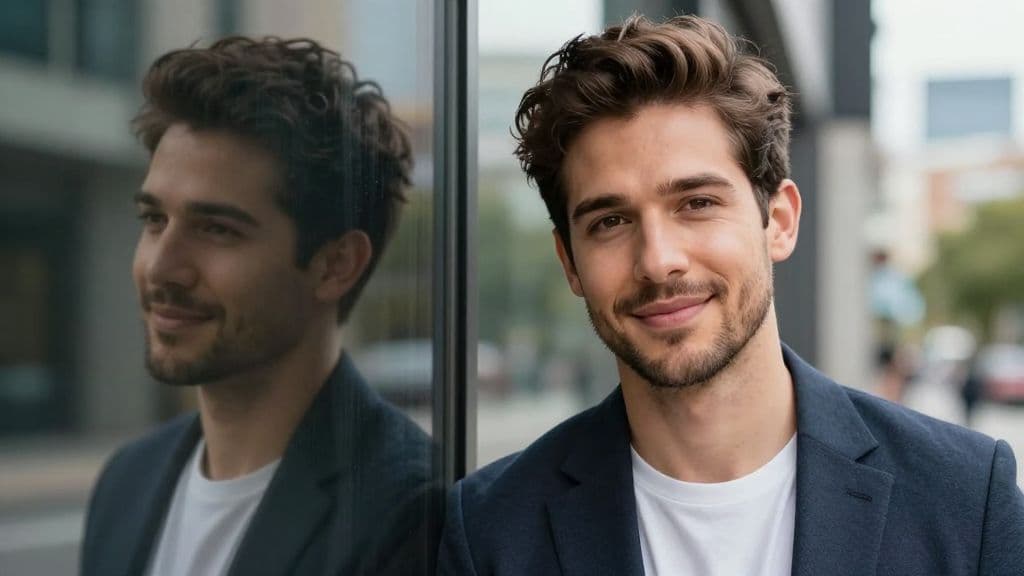
Looksmaxxing is the online practice of trying to improve your appearance, from everyday choices such as grooming to more intensive interventions.
This guide focuses on one dating-profile application: how photos, clothing, light and setting present you. It explains the softmaxxing and hardmaxxing labels, shares practical profile steps, and helps you assess advice without treating appearance as a measure of personal worth or a promise of matches. Because the term covers very different approaches, the guide keeps profile presentation separate from claims about changing your face or body.
Looksmaxxing for men: the essentials
- Looksmaxxing means trying to improve appearance through practices ranging from conventional grooming to more intensive interventions.
- Softmaxxing usually refers to everyday habits, while hardmaxxing covers more intensive or invasive practices.
- This guide uses digital maxxing for dating-profile presentation, not as a recognised third looksmaxxing category.
- A photo or appearance score cannot prove a practice works or promise matches, and the research cited here has clear limits.
What is Looksmaxxing? (Hardmaxxing vs. Softmaxxing)
Looksmaxxing is an online practice of trying to improve appearance through choices that range from ordinary grooming to more intensive interventions.
Softmaxxing usually refers to conventional habits such as grooming, exercise and skincare. Hardmaxxing describes more intensive practices such as unregulated peptides, growth hormones, facial trauma and surgery. BBC's overview of looksmaxxing describes this spectrum and reports UK regulators' warnings about unregulated peptides.
Digital Maxxing in Dating Profiles
This article uses digital maxxing as its own label for optimising dating-profile presentation. It isn't a recognised third category in the broader looksmaxxing spectrum. It means choosing current photos, clothes, pose, light and settings that represent you accurately.
A profile photo is only one part of a dating profile. It doesn't measure your value or predict what will happen on an app. The table compares examples and cautions, with no invented timelines or prices.
| Approach | Examples | Evidence or cautions |
|---|---|---|
| Softmaxxing | Grooming, exercise and skincare | The BBC gives no fixed timeline or outcome for these examples. |
| Hardmaxxing | Unregulated peptides, growth hormones, facial trauma and surgery | The BBC describes these as riskier practices and reports UK regulator warnings on unregulated peptides. |
| Profile presentation (this guide's term) | Photo selection, clothing, pose, lighting and setting | A guide-specific label, not a recognised third category. Profile changes do not guarantee a dating outcome. |
The Psychology of First Impressions on Apps
A dating profile gives viewers a small set of images and details to form an initial impression. That is a limited view of you, so don't treat it as a ranking of your character or social value.
Lighting can change how features appear in a photo. Overhead lighting can cast strong shadows, while more even light can make the image easier to read. Compare photos taken in different light and choose one that still looks like you. See our guide to dating profile picture psychology for more on choosing photos.
Look your best on every dating app. In 10 minutes our AI generates realistic and high-performing dating photos designed to get more likes and dates.
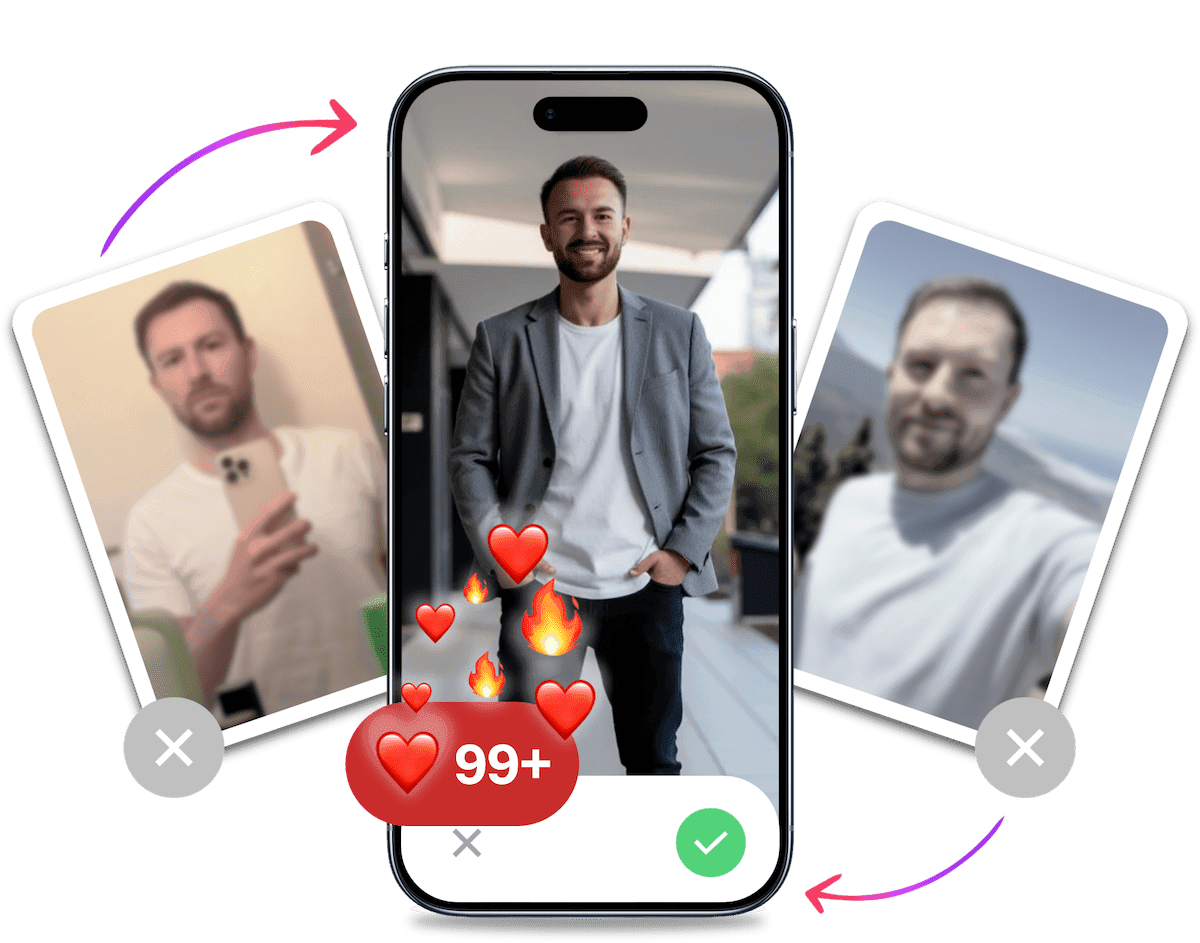
- Get a profile you're proud of
- Drastically increase your matches
- Turn great matches into more dates
Step 1: Style Maxxing (The Easiest Win)
Clothes are one part of how a photo presents you. Choose something that fits well and feels natural, whether that's a clean T-shirt or a shirt you would wear on a date.
You don't need an expensive wardrobe or one particular aesthetic for every photo. A few outfits that fit the setting give you options without making your profile look like a costume.
TinderProfile.ai can generate dating profile photos from the photos you provide in lifestyle settings. The aim is to choose images that suit you, not to dress as someone else.
A clear photo in a shirt you already like can tell a different story from a bathroom selfie in a graphic T-shirt. For more ideas, see our guide to professional Tinder photos. For your profile as a whole, read our guide to making a good Tinder profile.
Step 2: Grooming & "Digital" Skincare
If you include skincare in your routine, choose practical steps that suit you.
In a dating profile photo, lighting and camera processing can affect how skin appears. A generated image should not be described as changing or clearing your skin. Keep the result recognisable and representative of how you look.
- Use a daily cleanser.
- Apply moisturiser with SPF.
- Keep your beard trimmed and oiled.
For your profile, choose an image with even lighting and a clear view of your face. Our guide to dating profile photo tips for blokes covers practical photo choices. TinderProfile.ai generates dating profile photos from the photos you provide.
Step 3: Body Language & Status Signalling
A photo isn't just about your face. It's about the space you occupy. Confident men take up space.
Keep the Expression Natural
Choose a photo where your expression feels comfortable. The aim is to show your face clearly. A forced pose can make a photo feel unlike you, so take a few variations and choose a current image that resembles how you look in person.
Choose a Fitting Setting
A background gives context, but it doesn't prove someone's lifestyle or competence. Pick a place you actually go, or a setting that makes the photo easy to read. A tidy room, café, travel photo or office can work if it feels natural.
You don't need to stage a luxury trip for a profile photo. If you're considering generated images, our guide to confident poses for men offers more ideas. Choose a setting that suits you and does not claim more than the image shows.
It's Probably Your Photos.
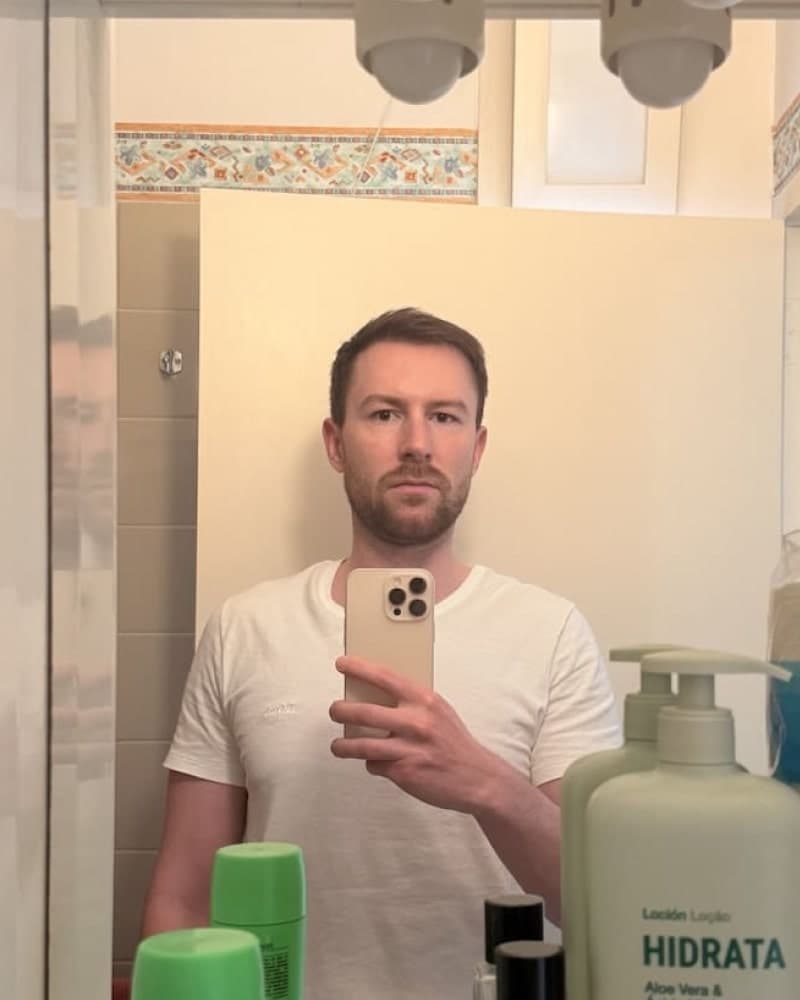
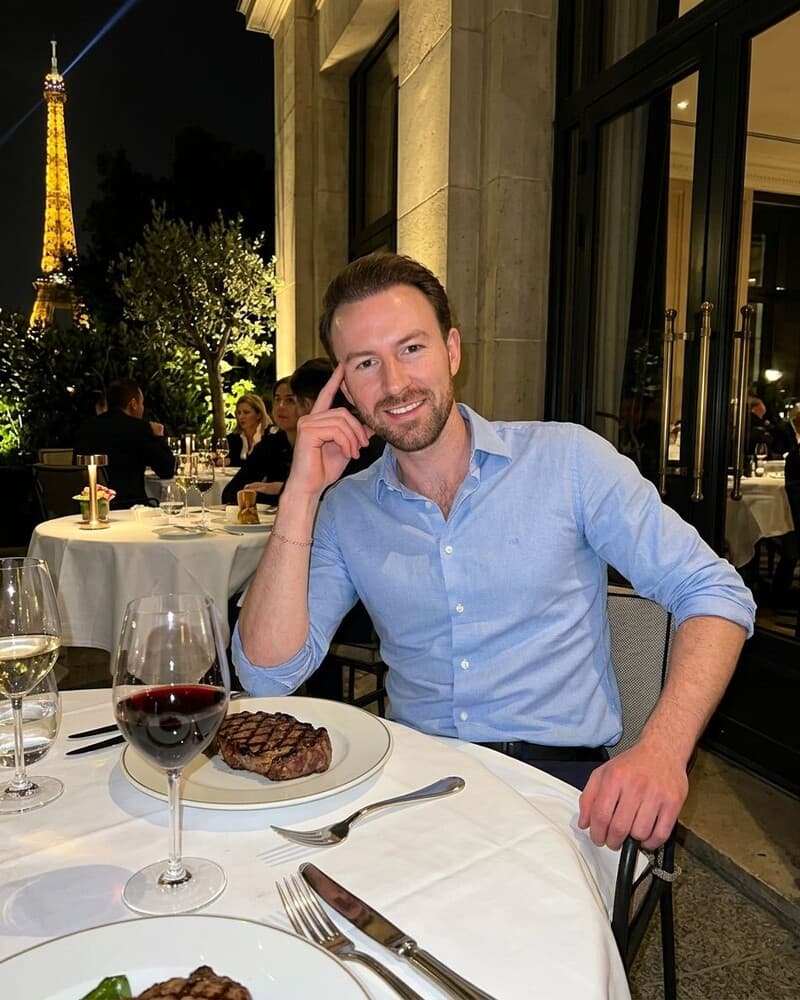
Average users see 8x more right swipes with our AI photos. Stop wasting time on dating apps and join 60,000+ singles who have already found better dates with TinderProfile.ai.
How to Evaluate Looksmaxxing Advice
Looksmaxxing content ranges from a haircut tutorial to claims about changing your face or rank. Those posts can sound equally certain, even when they make very different kinds of claims. Before copying advice, work out whether it describes ordinary presentation, a physical intervention, or a judgement about your social value. Treat each claim on its own terms. A clear profile photo is one practical choice. A ranking score is still a person's opinion, not a measure of your worth.
Separate Presentation from Intervention
The BBC's overview of looksmaxxing describes a range from conventional grooming, exercise and skincare to unregulated peptides, growth hormones, facial trauma and surgery. It also reports UK regulator warnings about unregulated peptide use. These examples involve very different levels of risk. A grooming tip and advice to alter your body should not be weighed as if they were interchangeable.
This article doesn't give medical instructions. If a post recommends a physical intervention or makes a health claim, pause before acting on it. Check what the claim actually says, who is qualified to advise on it, and whether the source is giving reliable evidence or just a dramatic image. A before-and-after post cannot answer every question about what happened between the pictures.
Check What the Evidence Supports
The Conversation's analysis of AI appearance ratings says high-quality research specifically on looksmaxxing remains limited. It reports concerns around body dissatisfaction and constant comparison, and says there is no evidence that bone-smashing improves appearance. The analysis also discusses body-dysmorphic features and disordered eating as concerns in the wider appearance-rating context.
Keep the wording precise. A source may report concerns without showing that the same outcome happens to everyone. A creator may show a score or a personal result without demonstrating that a method caused it. Ask whether the evidence is about the exact practice being promoted, and whether it measures a real outcome or simply places people in an appearance ranking.
A post's confidence doesn't make its advice reliable. Look for a clear account of where a claim comes from, what was measured, and what result would count as success. If those details are missing, treat the statement as a personal opinion or marketing claim, not a result you should expect.
Ask Who Benefits from a Ranking
The Centre for Young Lives' report on looksmaxxing reports concerns that the trend can encourage boys to link appearance with social and romantic value. It describes influencers, masculinity coaches and wellness brands in the surrounding online culture, and identifies concerns including body-image pressure, extreme behaviour, misogyny, isolation and self-harm.
That doesn't prove every creator is acting in bad faith. It does give you a useful question to ask: does this post explain a choice, or does it make you feel inadequate so you keep watching, buy a product or seek a score? Check whether the author stands to gain from the answer. Be especially careful when a commercial pitch is presented as an objective verdict about your face or future.
Before taking advice, ask:
- What exactly is being claimed, and does the evidence address that same claim?
- Is the post showing an evidenced result, or sorting people into a score or rank?
- Does someone benefit if you feel inadequate, buy something or keep watching?
- Does it promote a physical intervention? If so, look for reliable health information instead of instructions on social media.
- Could the goal be met with a reversible presentation choice, such as a clearer, current profile photo?
Bring that back to dating profiles. Changing a photo can change how a profile presents you: light, clothes, pose and setting affect what the image shows. A photo cannot establish your personal worth or guarantee matches. Use profile advice to make accurate choices about the image you share. Leave claims about your value or dating future out of it.
Why "AI Maxxing" is the Smartest Shortcut
I know what you're thinking. "Is this fake?"
Let's reframe that. Is it fake when a model uses a reflector dish to bounce light onto their face? Is it fake to wear a suit you rented for an event?
Optimisation is not deception.
The goal of your dating profile is to get your foot in the door. You need the match. Once you meet in person, your personality keeps them interested. But you can't show off your personality if you never get the match in the first place.
If you want new profile photos without organising a traditional shoot, TinderProfile.ai can generate a set from your existing photos. It is one option for creating a varied photo set, not a shortcut that guarantees a match. Read more about AI Tinder photos.
Checklist: Your 24-Hour Glow Up Plan
Ready to execute? Here is your step-by-step battle plan to softmax your profile immediately.
- Review the selection: Remove duplicate, blurry or hard-to-see photos and keep a mix that reflects your everyday life.
- Check the details: Choose current photos where your face is visible and the setting is easy to understand.
- Keep it recognisable: Pick clothes and locations that feel natural for you, rather than building a profile around a character.
- Rewrite your bio: Keep it specific. Use our guide to the best Tinder bio for blokes for ideas that fit your photos.
- Consider a reset carefully: If your account is old, read our guide to resetting your Tinder profile for the steps. A reset does not guarantee more visibility or matches.
Final Thoughts on Looksmaxxing for Dating Profiles
Looksmaxxing doesn't have to mean spending your life savings on surgery or living in the gym for a year. It's about efficiency.
Your dating profile is a marketing funnel. If the pictures, the top of the funnel, are broken, nothing else matters. Don't let bad lighting and poor wardrobe choices bottleneck your dating life.
You have the potential. You just need the right presentation.
Want to try a different presentation? Create dating-profile photos with TinderProfile.ai, using a personalized model trained on your existing photos.
Frequently Asked Questions About Looksmaxxing for Men
What does looksmaxxing mean?
What is the difference between softmaxxing and hardmaxxing?
Does bone-smashing improve appearance?
Does looksmaxxing guarantee dating-app results?